Teaching

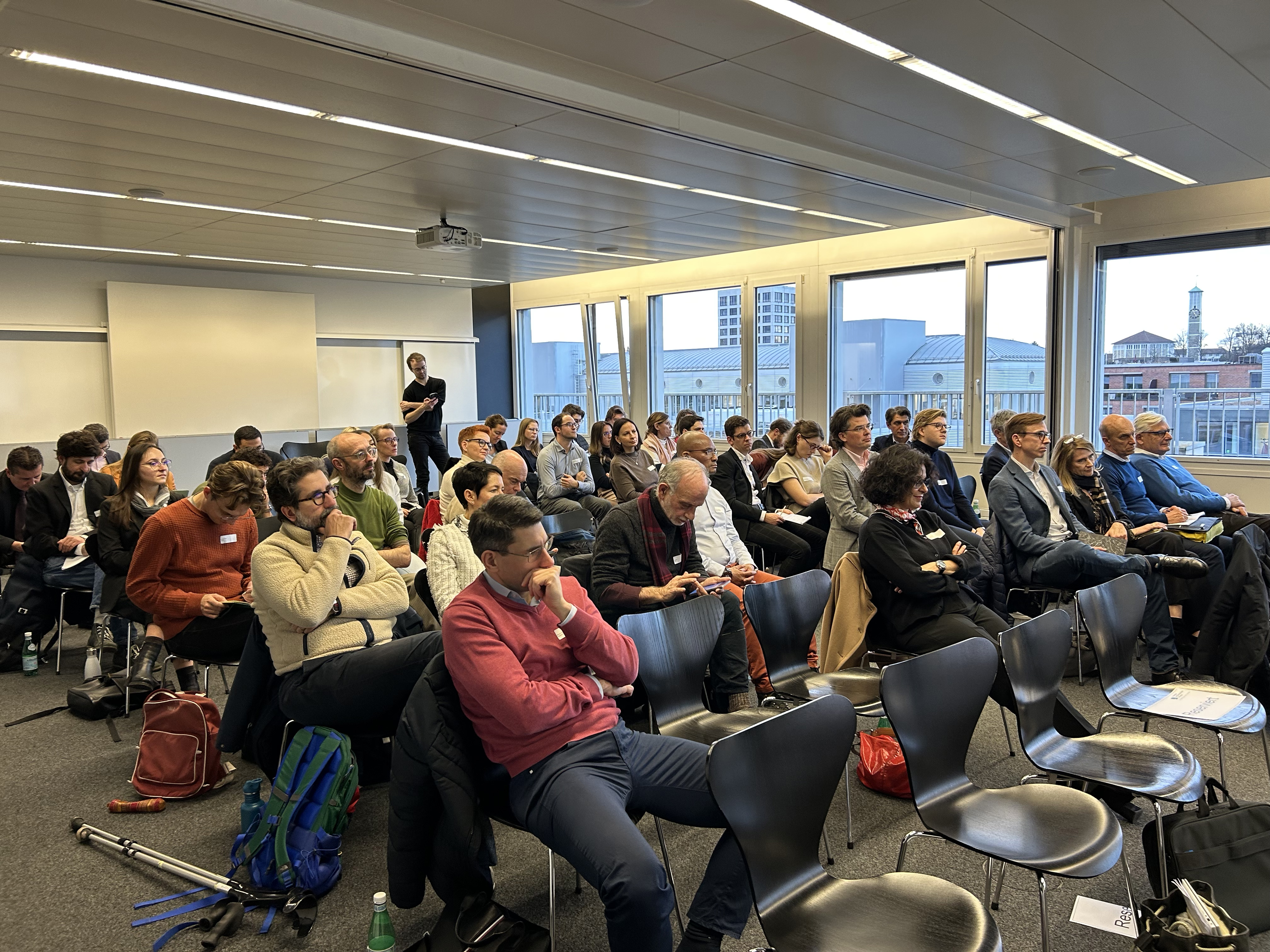
I have extensive experience in teaching law, including in interdisciplinary settings and to students without formal legal training. I teach foundational courses as well as specialised courses for Bachelor students, Master students, and students in LLM- or CAS-programs.

01

Master Courses

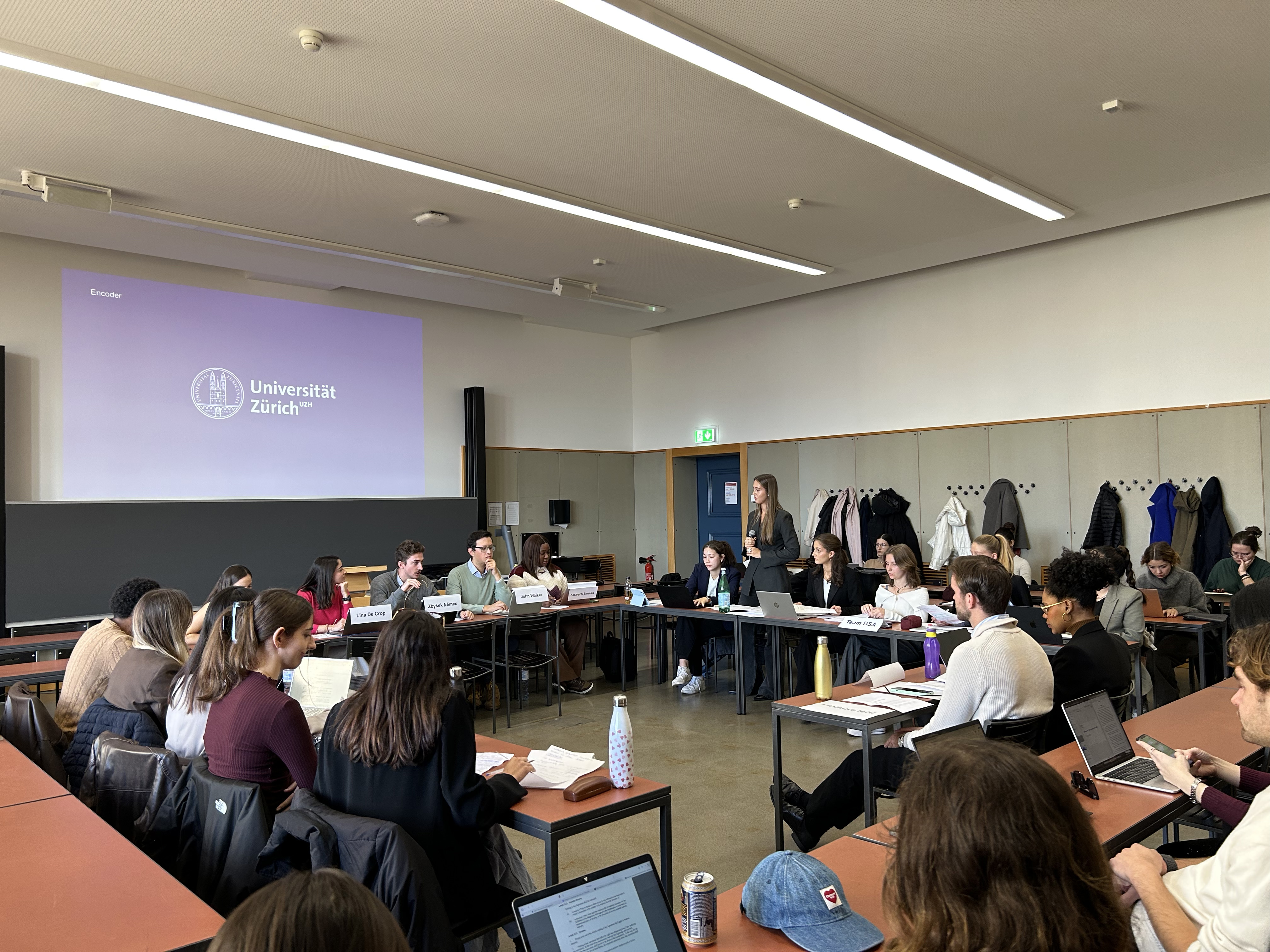
Building on foundations with an emphasis on relevant legal principles, expanding the theoretical understanding through case law and case studies, accompanied by interactive learning units and simulations to deepen acquired knowledge: special units include online collaboration with universities in Peru, US and Taiwan, mini Moot Courts, invited special guests, or simulations of negotiations/legal debates. Emphasis in the exam lies on requiring and rewarding independent research.

Taught Master courses: EU law, Public International law, Public Economic law, International Economic law, Law of Sustainable Development, Introduction to Swiss law

02

Bachelor Courses

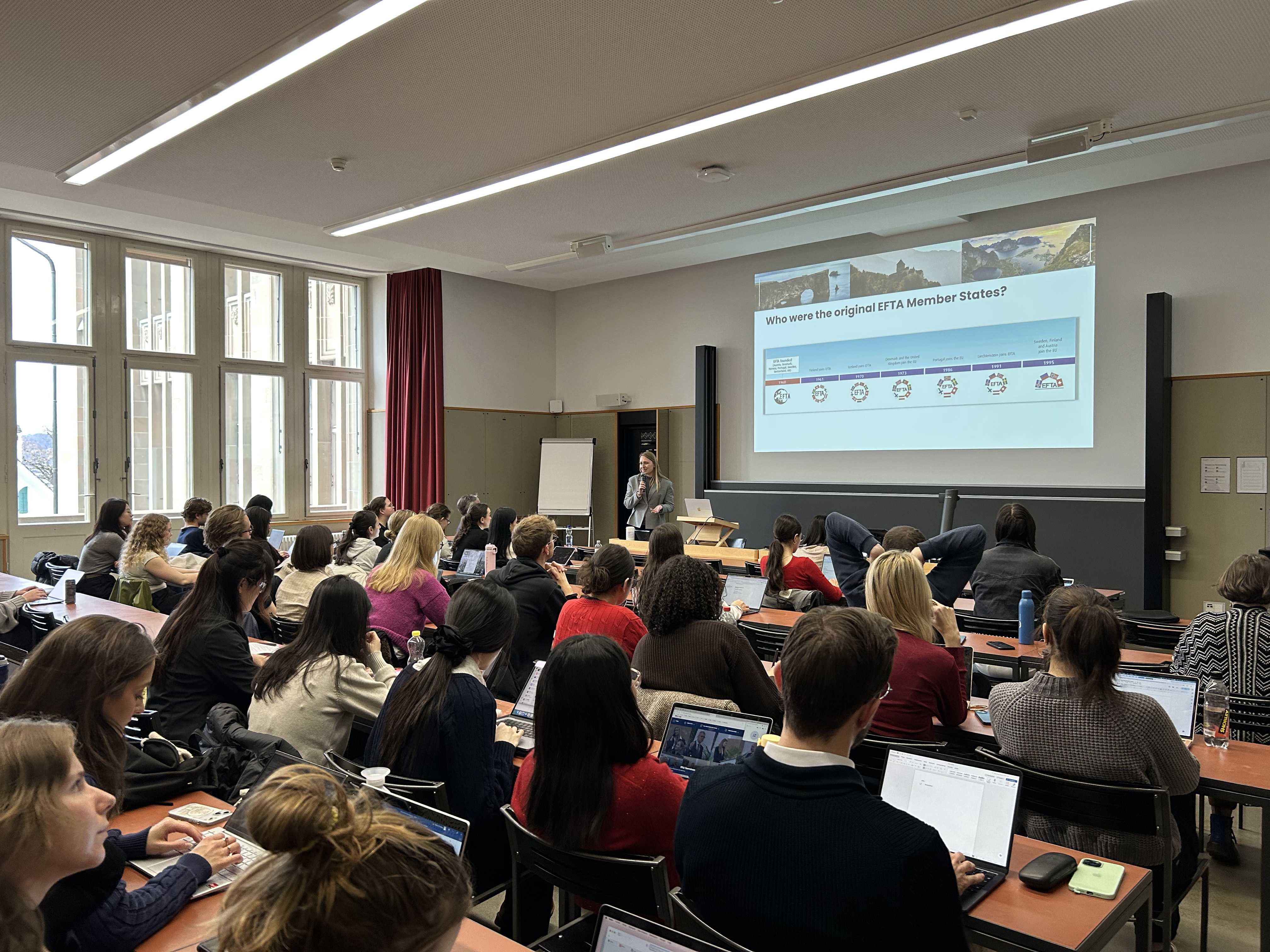
Focus on foundations, including the respective underpinning regulatory logic and the history of the legal field. Students should gain a solid basic understanding of the law, and know how to deepen their expertise if needed. Emphasis in the exam lies on demonstrating the ability to apply the acquired knowledge in new contexts.

Taught Bachelor Courses: EU law, Swiss Constitutional law, Swiss Administrative law, Public International law

03

Interdisciplinary Courses

Focus on making legal reasoning accessible by situating legal rules within broader political, institutional, and economic contexts. Emphasising the reasons that led to particular choice in regulatory logic and on its wider implications.

Taught courses outside of formal legal training: International Trade Policy, Law of Sustainable Development, International Environmental law

04

Specialised Courses

Focus on the essence of a legal field, its central legal principles and how they connect to current events and current regulatory developments. The aim is to equip students with the necessary tools to address regulatory challenges in their practise with a fresh and expanded perspective.

Taught specialised courses: LLM, MILE, CAS

FAQ

Approach and Philosophy

How do you structure online teaching?

I have completely switched away from the classic lecture format. I prepare a podcast of approx. 20’ each week with the essence of the relevant theory and use the online meeting slot for student presentations, guidance for group work, or discussion of critical questions raised in mandatory reading or in the podcast. This has turned out to be the most effective way of creating a productive virtual learning environment.

What is your approach to teaching?

My teaching is grounded in the conviction that legal education should combine doctrinal rigour with the capacity to critically engage with the institutional, political, and societal contexts in which law operates. Across my teaching, I aim to equip students not only with legal knowledge, but also with the analytical skills necessary to understand how legal systems respond to contemporary global challenges.

What kind of teaching methods do you apply?

Teaching methods are adapted to the size and composition of each cohort. In addition to lectures and seminars, I regularly incorporate interactive and practice-oriented formats, including simulations, mini moot courts, structured debates, and collaborative research tasks. In recent years, I have developed transnational student debates bringing together students from Europe, Latin America, Asia and North America to discuss contested questions in international economic and environmental law, including the compatibility of European sustainability measures with international legal obligations. These formats expose students to diverse legal and political perspectives and encourage intercultural dialogue and collaborative problem-solving.

Are you experienced with diversity in the classroom?

Yes, and I cherish it, since diversity enriches the quality of the course in the sense that it enables me to connect practical perspectives and experiences in the classroom with legal theories. I also place particular emphasis on accessibility and inclusion in teaching. Having taught highly diverse cohorts – from undergraduate students encountering legal reasoning for the first time to experienced practitioners in executive programmes – I seek to make complex legal material intellectually accessible without compromising academic rigour and I strive to create a friendly and supportive learning atmosphere.

What was a particularly successful interactive learning unit?

The collaboration with think tanks (Foraus and IISD) in my course “law of sustainable development”: First, I integrated the think tank's online platform for the sharing of policy ideas into group work. Students were asked to come up with policy recommendations that were in line with international law and suitable for achieving a particular SDG. I subsequently refined the approach: as a group work, students were asked to write a Blog text explaining their policy recommendation. Students then presented their texts and ideas to the class and representatives of the think tank. The most convincing ideas/best texts were then decided by vote. The winning texts were submitted to, and published by, the think tank’s Blog. The learning effect and personal engagement in the course was considerable, and some of the ideas were then later taken up by policymakers and politicians. Several of my students went on to pursue next professional steps related with their chosen policy recommendation.